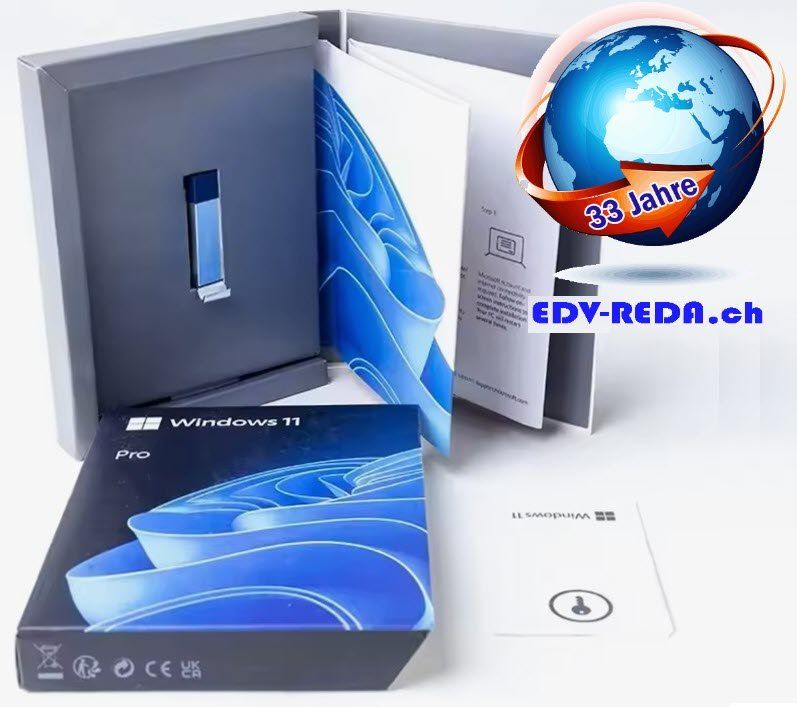
Software licensing “cost-effectively” isn’t just about the cheapest price. It’s about strategic investments which minimizes the risk of long-term failure while ensuring compliance. It also scales with growth. An ad-hoc mix of Windows 11 oems from the grey market and standalone Officelizenz purchases result in a weak and unmanageable IT infrastructure. Understanding the way Windows licensing, Office subscriptions and even interlocks for security software create a cohesive system that is efficient and cost-effective. This guide goes beyond basic price tags and explores the 10 most crucial aspects of building a professional, sustainable, and ultimately affordable software system for a growing company, connecting decisions that are made from desktop OS, server access, and security.
1. Windows 11 Home has no place in a company.
The most expensive and popular mistake is buying a cheap Windows 11 Home license for an enterprise workstation. Windows 11 Home is not capable of joining the Active Directory domain or Azure AD, it lacks BitLocker encryption of sensitive data. It also is not equipped with Local Group Policy. Additionally, it forces unreliable updates. For any machine handling business data, `windows 11 license” must refer to Windows 11 Pro. To ensure security, manageability, and professional credibility, the small up-front cost is not negotiable. Businesses that rely on Home licensing operates under consumer standards, which can be a major risk.
2. Calculator to calculate the price of “hardware refresh” between OEM and retail.
Retail Vs. OEM can have long-term consequences on your finances when you purchase Windows 11. OEM licenses are cheaper up front, but they expire when the computer is first installed. A retail license could be transferred. OEM makes sense for budget PCs, which you replace in full every 3-4 years. For workstations with higher end features or if you are upgrading components separately, Retail licenses save money over time. Calculate the total cost of ownership (TCO) If a PC’s lifecycle cost is $800 and an OEM Pro license is $140 vs. Retail at $200, the $60 premium for Retail is a low-cost security for the future, particularly when you are decommissioning old hardware.
3. The Microsoft 365 Ecosystem: Where Real Cost-Effectiveness Lives.
The era of a one-time”office lizenz buy” (like Office 2021) has come to an end for many companies. Microsoft 365 Premium for Business (approx. $22/user/month) is usually the most cost-effective bundle. It includes: Windows 11 Pro upgrade rights (solving your `windows 11 lizenz kaufen` need), the full Office suite, 1TB OneDrive cloud storage, business-class email, and–crucially–Intune for device management and Azure AD for identity. This single subscription allows you to modernize and legitimize your entire desktop setup. It also comes with management tools not available with standalone software. It transforms capital expenses into predictable operational costs.
4. Windows 7 Upgrade Path, A Mandatory for Safety and Compliance
Businesses that cling to Windows 7 are sat on a time bomb that isn’t supported. Upgrading software is not only about new features. It is an obligation for compliance and security. It’s crucial to realize that the best way to proceed doesn’t require you to purchase a Windows11 license. It’s a chance to reconsider the entire approach to software. Migrating from Windows 7 + perpetual Office to a device based on the Microsoft 365 Business subscription modernizes security, allows cloud backup and facilitates remote work. The price is the subscription and not just an OS key.
5. Knowing the “CAL” Shadow Cost for Future Growth.
Client Access Licenses are required for those who plan to utilize an on-premise Windows Server 2025 server for database, file-sharing, or line-of-business applications. Every user or device that accesses the server must have a Cal. This is a separate cost from your `windows 11 pro desktop license. Small-scale businesses’ budgets should include CALs in their long-term plans. Windows 11 Home, which is not legal to access Windows Servers in a commercial context, or with unlicensed access is a major risk of non-compliance during the software audit.
6. Bundling or Best-of Breed?
The complexity of licensing can be affected by the choice you make between Windows Defender and a suite from a third-party, such as Kaspersky Premium or Norton 360. Microsoft 365 Premium offers enhanced Defender security as well a centralized threat management. Separate suites from a third party may be redundant and add cost and administration overhead. If you’re searching for a solution that can meet the specific requirements of your regulatory system or if you wish to use a third-party platform, then a consistent system is crucial. The licensing of one solution across all workstations is more cost-effective and manageable than patchwork. For security, the “cost” is usually the time it takes to manage multiple systems and not the subscription costs.
7. Grey Market Trap, False Economy and Licensing.
On unofficial markets You will see prices that look too good to aren’t they. These are usually volume license keys, OEM keys violating terms or keys from other regions. They may be canceled by Microsoft and leave you with unlicensed and insecure software and potential fines during an audit. For businesses this is a huge, unbudgeted risk. True cost-effectiveness requires purchasing from authorized distributors or via the Microsoft Cloud Solution Provider (CSP) program, which guarantees complete legitimacy, support and upgrades rights.
8. Perpetual Office The Niche for Static and Air-Gapped Scenarios.
Office Professional 2020, for instance, offers a remarkably narrow business scenario. The standalone perpetual office lizenz (e.g. Office Professional 2021) still has a limited business case. It is not a common occurrence. For small businesses, subscription models provide more features, especially when it comes to collaboration tools (Teams/SharePoint) as well as cloud-based file storage and mobile accessibility. The “cost” of a permanent license is locked in, slow software and a lack of productivity benefits through cloud-based services.
9. Modeling your Mobility: Device-Based vs. Users-Based Licensing.
The old licensing model is device dependent (one “Windows 11 OEM” license per PC). Microsoft 365 is the modern model. One user license is valid for up to five devices comprising PC, Mac, tablet and phone. This is a good deal, particularly for companies who employ employees who are mobile, hybrid, or provide a laptop as well as desktop. You license the person but not the machine. Choose your licensing strategy in accordance with your employees’ mobility. If you compare it to a model that relies on rigid devices, a subscription based on the user will significantly cut down on the number of licenses you require.
10. Designing an Coherent Stack for Audit-Readiness.
The most important thing for a small business is an organized and legally sound software stack. Microsoft 365 (per-user) Business Premium (Windows 11 Pro), Office, Manageability, and Security plus OEM Windows 11 Pro for any device that isn’t covered by the subscription. This stack offers audit-ready functionality, is scalable and predictable. It can eliminate the “hidden cost” of chaos, including the time it takes to recover from incompatible systems, the loss of data from inadequate security, or legal risk because of non-compliance. Check out the top windows 11 kaufen for site info including microsoft project, office 2016 software, office 2016, windows server 2019, visio software download, microsoft 365 key, product keys, visio software download, office 2019, visio software download and more.

Software Bundles Are They Worth It? Norton 360 Office Deals: A Review.
A software bundle could provide an excellent value. One example of this is a bundle that comprises Norton 360 and a Microsoft Office licensing. These bundles, which are typically available when purchasing a computer from major retailers or purchasing one, offer convenience and savings. But the real value of these bundles can’t be seen in their price-points. It lies in an analysis of licensing alignments, feature overlaps, and how well they integrate into your current digital environment. Bundles that bundle an application that is subscription-based with perpetual licenses are an unsuitable choice for managing your product and lifecycle. It is crucial to analyze these deals by removing the layers to assess how they affect your operating systems legitimacy and upgrade path from earlier software, like windows 7, and the overall requirements for central management or integration services, such as windows Server 2025. Here are 10 elements which will determine whether you should invest in a bundle.
1. The core mismatch: Perpetual License against. Subscription.
The biggest flaw in many of the norton 360 Office bundles is the licensing model clash. Norton 360 has an annual subscription. The included `office lizenz` is almost always a perpetual license that is specific to a year edition (e.g., Office 2021). This creates a different time frame for the life of the product. While your antivirus needs renewal every year, the Office suite will remain static until a later version is bought (often more than 5 years following the original purchase). The “savings”, which can only be availed once are locked into an indefinite Office suite, and do not reduce the cost of your Norton subscription. It’s not a fully integrated package but rather a decoupled one.
2. Bundles often hide the “Which office?” Question.
The word Office can be a bit confusing. Is this an annual subscription to the Office Professional Suite or the less powerful Office Home & Student suite (which does not include Outlook but has commercial usage limitations) The bundle might advertise “Microsoft Office” however, it only offers the less capable Office Home and Student edition, which is not sufficient for most business situations. It is important to confirm the exact product code prior to you decide to value the bundle. If you’re using Outlook to send emails or other purposes, a bundle containing Home & Student is worthless, regardless of Norton discount.
3. Your Windows License is a foundation of trust.
Norton 360 as well as Microsoft Office depend on an unchanging Windows OS which has been updated. If your computer is running using a Windows OEM questionable key obtained from a greymarket windows lizenz site, the foundation is in danger. On an unstable OS security suites, or productivity software are built on the sand. If the base platform of the bundle isn’t reliable, or in danger of being disabled, which could affect licensing for both products, then the worth of the bundle will be reduced.
4. Windows 11: Redundancy & Conflict With Built-in Security
Windows Defender provides cloud-integrated protection in Windows 11. Norton 360 overtop can lead to feature overlap and conflict in the system’s resources. There is no need for the security suite included within the bundle. It’s important to begin your evaluation by looking at the threat model as well as user behavior. Do you think the integrated Defender be adequate or would you prefer Norton’s additional options (such such as password management, VPN or dark web monitoring)? The bundle presumes that the first option is best without asking.
5. The “Upgrade Windows 7 to Windows 8” context as a possible Short-Term Solution
The bundles may provide short-term logistical benefits for users who are transitioning from Windows 7. It provides both the current Office as well as the Norton security suites in one transaction, easing the transition process. However, it’s an unwise bridge. Microsoft 365 is a modern subscription that offers continuously updated Office as well as enhanced security (through Defender for endpoint on higher plans) as well as a single, manageable plan. The bundle can help users get off Windows 7 but may immediately make the user a slave to an outdated model (perpetual Office).
6. Management Overhead The Anti-Synergy.
Every business, regardless of how small, will find it difficult to manage a bundle of separate Norton 360 licenses and standalone Office licenses. There’s no unified console. Norton is renewed on a separate basis. Office installation is managed by hand. Two different portals from the vendor are utilized. Microsoft 365 Business Premium, however handles all of these aspects from one administration center. The savings that appear to be a part of the bundle are quickly wiped away by more expensive IT expenses for labor.
7. Isolation of Perpetual Office – Cloud Ecosystem is missing
It’s not a complete bundle. It does not include OneDrive cloud storage, Microsoft Teams, or the real-time collaborative co-authoring capabilities that are the hallmark of modern-day work. It’s a solely desktop product. You may get a Norton security suite that comes with its own cloud backup. This could result in confusion. It’s paying for two distinct, non-communicating stacks. M365 will allow users to seamlessly integrate both.
8. Kaspersky’s Premium Different Approach: A Competitive Alternative.
Kaspersky Premium isn’t as often integrated in Office as Norton. It competes directly in the space of security. The value proposition is superior heuristic detection and lower system impact, appealing to the most powerful users. When reviewing the Norton+Office bundle, ask yourself: “Would it be better to purchase a permanent Office license on its own and combine it with another security suite such as Kaspersky that is more in line with my technical preferences?” The bundle is not able to permit this decision.
9. Zero integration Zero Integration Advanced Infrastructure Windows Server and CALs
These consumer/business-consumer bundles exist in a silo completely separate from organizational IT infrastructure. These bundles cannot be used with windows Server 2025 or cals. The Group Policy cannot be used to manage them from servers. These bundles are designed for individuals or small offices. If you have a growing business or a need for an established server, this package represents a costly investment.
10. The cost of strategic Subscription in comparison to. Bundle Pricing.
Complete a 3-year Total Cost of ownership (TCO) analysis to find out the true value. Compare: Bundle – one-time price of the bundle (Norton360 annual subscription multiplied by 3) + the following Office perpetual licence cost in 2026. Microsoft 365 Basic/Premium vs. Microsoft 365 Basic/Premium x (Monthly subscription x 36 months). Subscriptions typically include constantly-updated Office software, 1TB OneDrive Cloud Storage, Business Email and advanced security/management tools. In time the bundle’s “discount” disappears, locking you into less-functional, more-difficult-to-manage software. Bundle value is often an illusion to anyone with requirements that go beyond basic isolated computing. See the recommended office lizenz for site tips including office 365 office key, ms office 2019, microsoft office 2019, product keys, microsoft office key, microsoft project, microsoft office 2016, visio software download, visio download, product keys and more.